Contract model first
A services or subcontracting arrangement and temporary agency work are treated differently under Belgian law. We do not describe an assignment as one or the other without examining how work will actually be managed.
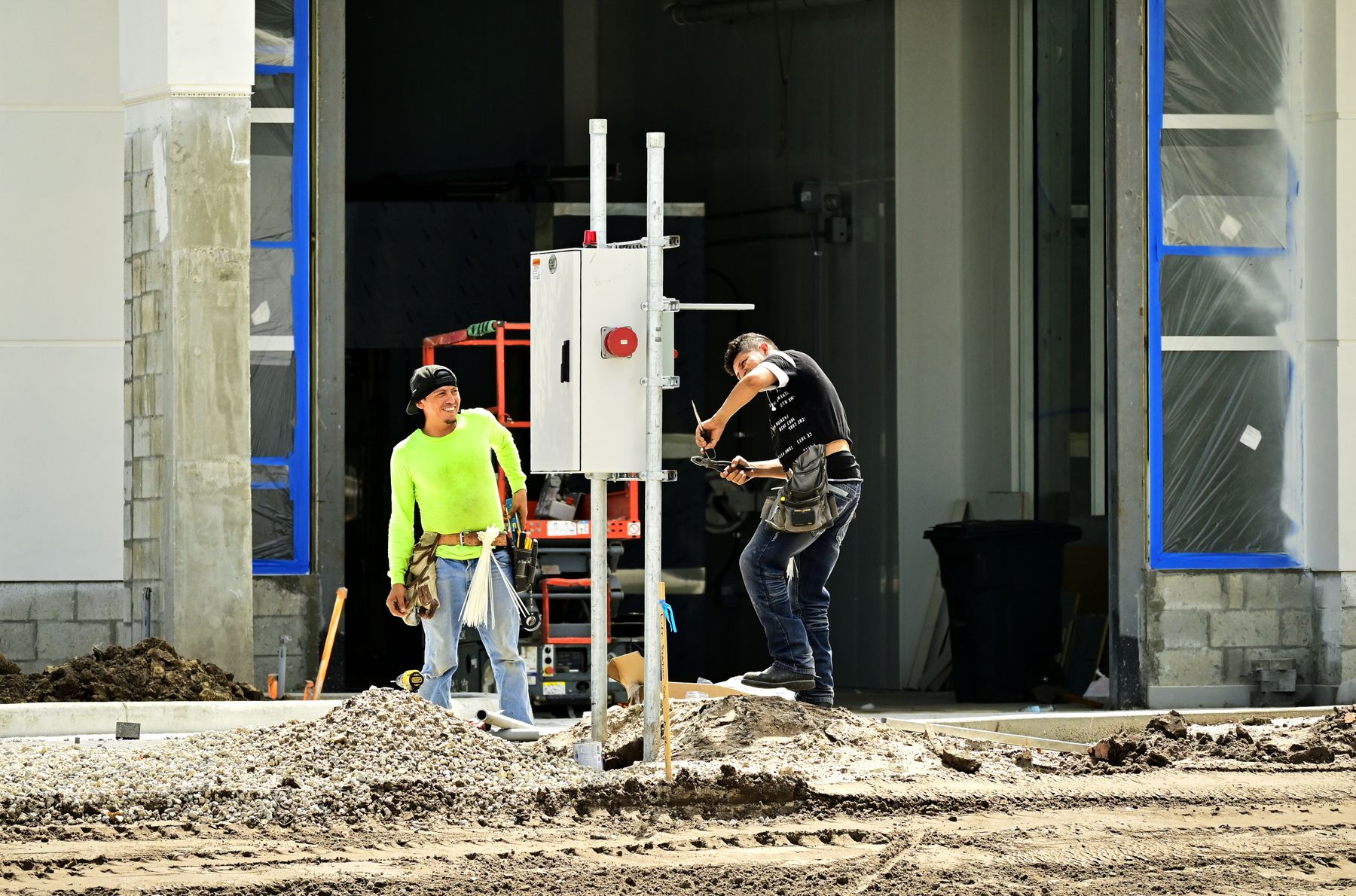
Before work starts, the parties need clarity on responsibility for people, documents and site safety. For cross-border work in Belgium, requirements depend on the actual working arrangement and assignment.
A services or subcontracting arrangement and temporary agency work are treated differently under Belgian law. We do not describe an assignment as one or the other without examining how work will actually be managed.
Depending on the circumstances, posting formalities, social security documentation, site declarations and presence registration may apply. A Limosa declaration or A1 certificate does not replace all other obligations.
Site rules, induction, task risks, protective equipment and the line of supervision must be clear before the start. The precise arrangements are agreed with the client and relevant parties.
We aim to identify requirements early and work with qualified advisers when a legal or sector-specific point needs confirmation. Final arrangements are subject to review before engagement.
The label on a contract does not settle who directs people on site. Clarify who assigns daily tasks, who supervises the result and which instructions the client may give. Belgian rules distinguish genuine services or subcontracting from the hiring out of workers; a qualified adviser should assess the planned model before engagement.
Posting declarations, social security evidence, employment conditions, sector rules and presence registration have different purposes. Requirements can depend on the worker, employer, activity and site. Use current official guidance and review the full set of obligations rather than treating any single document as universal clearance.
Share the trades, location, expected start and scope. We will take it from there with a focused conversation.