Before a maintenance shutdown: five workforce questions
Good planning starts with the task list, work windows and clear site responsibilities.
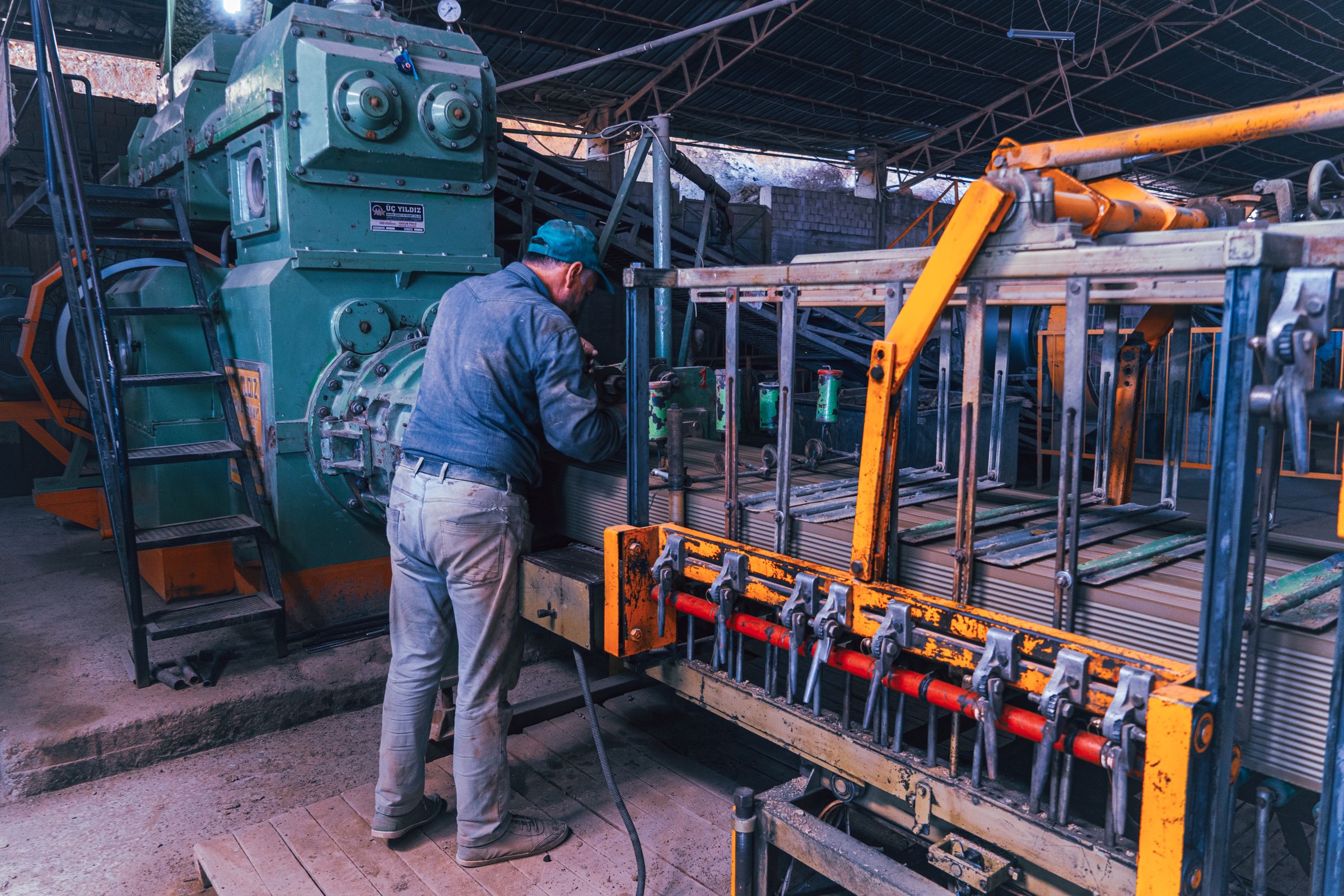
Define the work package
Separate inspection, repair, installation and recommissioning tasks. Each calls for a different mix of trades and supervision. A simple list of equipment, likely interventions and work windows is more useful than a broad request for ‘extra hands’.
Check interfaces early
External teams need to know who controls isolation, permits, access and handover. Discuss these interfaces while the scope is still being prepared. The right number of people cannot compensate for an unclear work boundary.
Plan for the real shift
State the working hours, access restrictions, language needs and equipment available on site. Include the time needed for induction and documentation. These details shape both the team and the start date.
Build the team around the sequence
A shutdown rarely needs every trade at once. Mechanical isolation and access may come first; inspection determines which repairs are necessary; electrical and automation checks follow before restart. Map the phases and identify where two activities compete for the same work area or lifting equipment. This makes the workforce request more accurate and gives incoming specialists a usable plan.
Leave room for findings and handover
Inspection can reveal work that was not in the original list. Agree who can approve a change, how it affects the programme and what information must be recorded before the shift ends. A short daily handover covering completed tasks, open permits, defects and the next crew’s access prevents a capable team from losing time at the start of the following day.